
Enterprise Systems at Scale
AI Systems Architecture
I've been building API microservices and enterprise platforms for 20+ years. When your system needs to handle millions of transactions, or integrate AI without falling apart, you want someone who's actually done it before.
Getting the Foundation Right
After 20+ years of building systems, I've learned that architecture decisions made early on ripple through everything that comes after. Here's what I focus on.
Built to Last, Built to Change
Systems that can actually adapt when AI capabilities evolve... because they will, and you don't want to rebuild everything when that happens.
Modular By Default
Clean boundaries between components means you can upgrade one piece without touching everything else. It's how real production systems stay maintainable.
Data That's Actually Useful
Structured data flows that work with ML pipelines, RAG systems, and real-time processing. Not just stored data, usable data.
Scales When You Need It
Cloud-native patterns that handle spikes without manual intervention. I've built systems processing 7B+ events annually, so I know what actually works at scale.
Tools I Actually Use
I don't chase trends. I use what's proven to work at scale, and I'm selective about integrating newer tech... it has to actually solve a problem, not just be interesting.
Frontend
Backend
AI/ML
Infrastructure
Layered Architecture
Each layer optimized for its purpose
How I Work
It's pretty straightforward, really. I figure out what you have, design what you need, build it, and make sure it actually works in production.
Understanding What You Have
1-2 weeksI look at your current systems, figure out what's working, what's not, and where AI actually makes sense for your use case.
Design the Architecture
2-3 weeksI design systems that are modular and event-driven, because that's what actually works when you need to integrate AI later.
Core Implementation
4-8 weeksBuilding the foundation with proper abstractions. The kind of code that's easy to extend, not the kind you have to rewrite.
Integration and Production
2-4 weeksConnect everything, optimize performance, deploy to production. I don't disappear after handoff either.
Work I've Actually Done
Real projects with real results. Not hypotheticals, not demos... systems running in production right now.
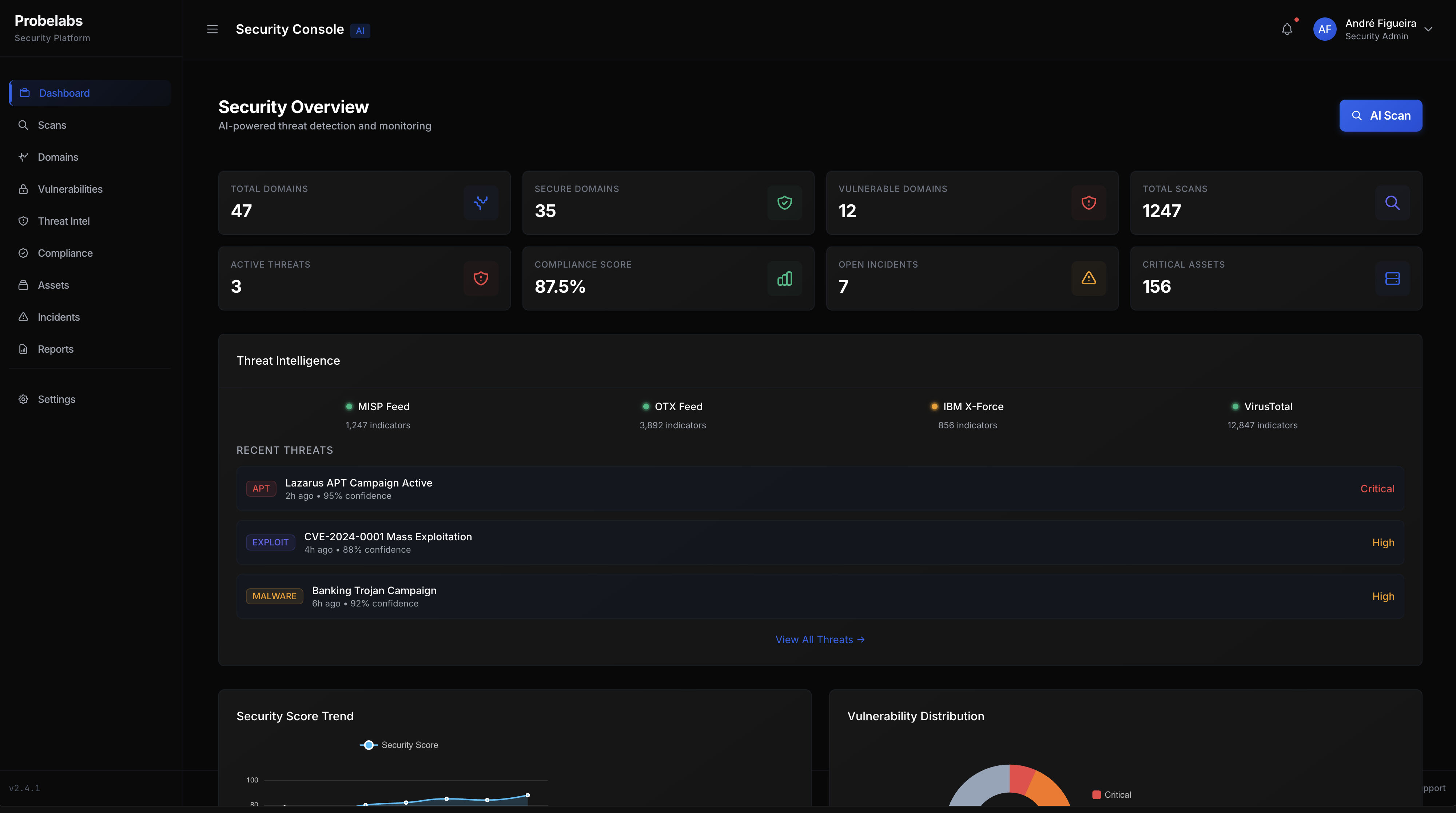
UK Telecom - Enterprise Integration Platform
I led the architecture for a microservices platform serving millions of customers, with ERP integration and real-time event processing at scale.
The Challenge
A major telecom provider needed to get off their legacy monolith without taking down services that millions of people depend on. They were processing 7 billion events a year and couldn't afford downtime. The ERP integration made everything more complicated.
Our Solution
I designed an event-driven architecture with circuit breakers and distributed tracing, the kind of resilience patterns that actually work when things go wrong. Used the strangler pattern to migrate piece by piece without disrupting live traffic.
Results Delivered
- Deployments went from weeks to hours
- API response times under 50ms
- Handles 20K requests/second at peak load
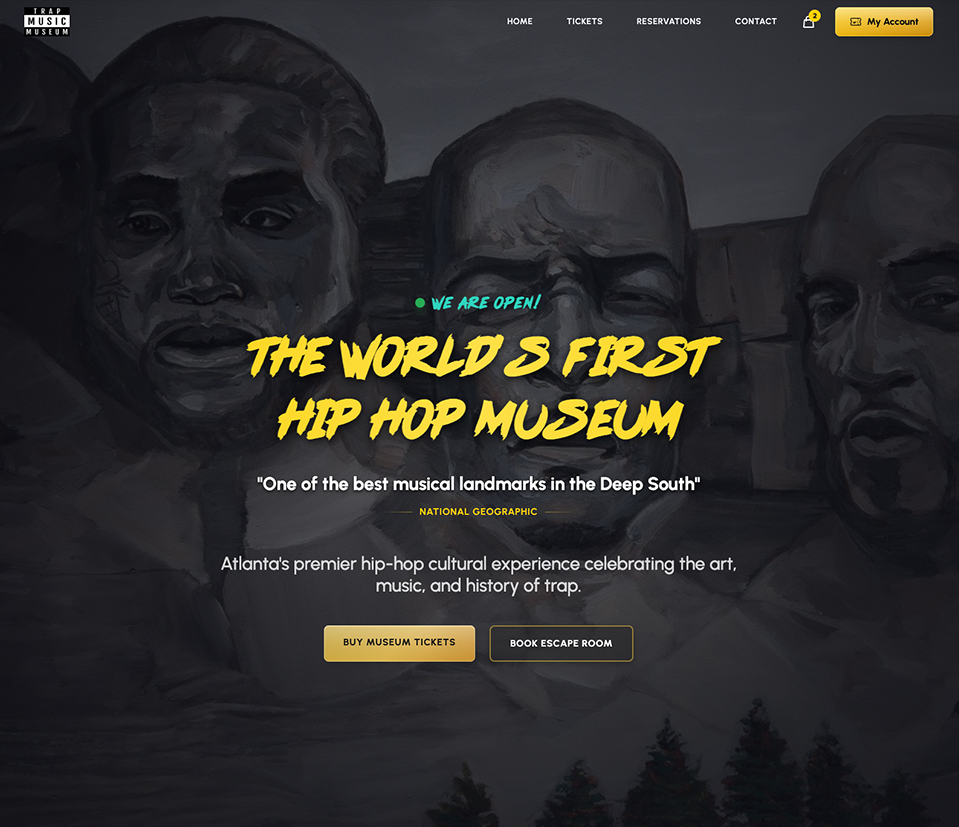
Trap Music Museum
Built their e-commerce system from scratch, connecting the physical gift shop POS with their online store so inventory actually stays in sync.
The Challenge
They had a gift shop and an online store that didn't talk to each other. Overselling was constant, customers were frustrated, and when T.I. showed up for an event the whole thing fell over from traffic.
Our Solution
I built a headless commerce platform with real-time inventory sync through Google Cloud PubSub. The POS works offline and reconciles automatically. Added proper caching and database optimization so traffic spikes don't kill anything.
Results Delivered
- Zero inventory sync errors since launch
- Handled 10x traffic spike during T.I. visit without issues
- Online conversion rate up 34%
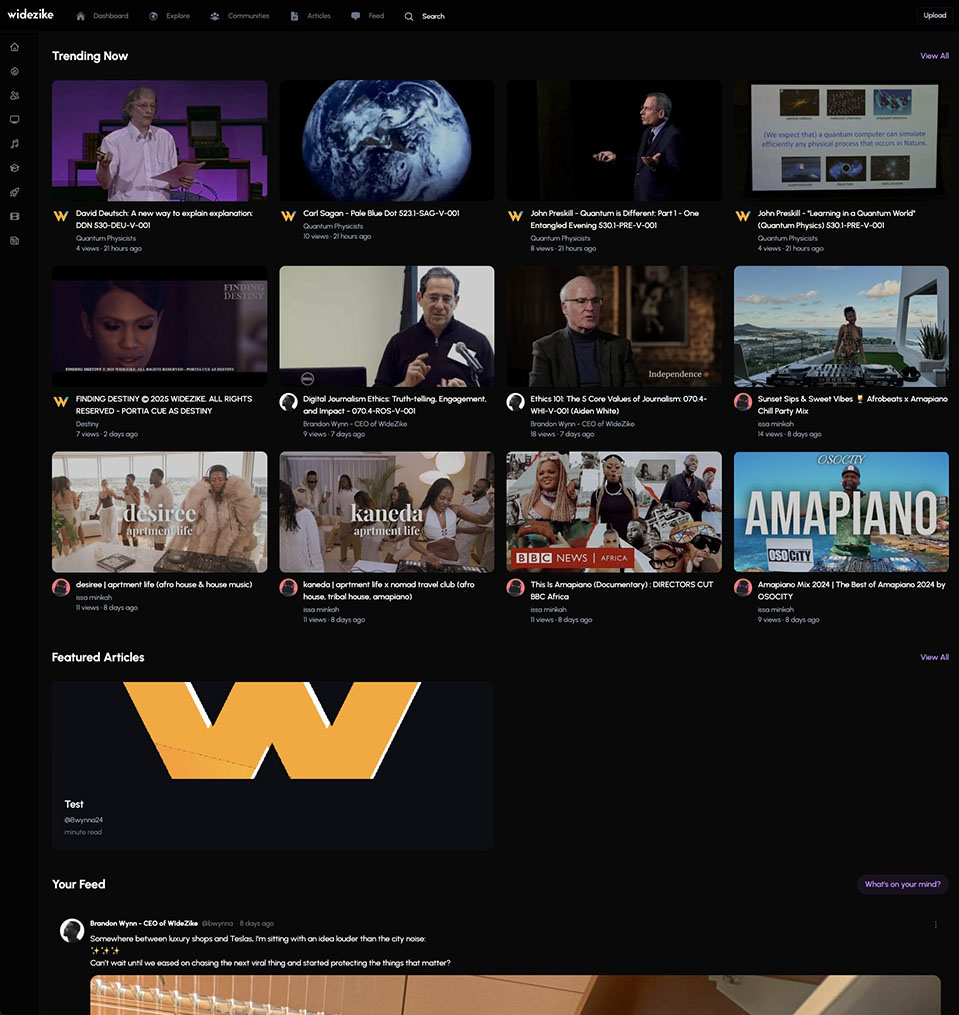
WideZike Social Platform
Built a social network with ML-powered recommendations, because chronological feeds don't cut it when you're trying to keep people engaged.
The Challenge
Their feed was purely chronological, which meant users saw whatever was posted most recently regardless of whether they'd care about it. The infrastructure also couldn't handle video streaming and real-time messaging together.
Our Solution
I built a recommendation engine that actually looks at what users engage with, their social connections, and content patterns. WebSocket infrastructure with Redis pub/sub handles real-time features, and the content pipeline supports everything from text to live video.
Results Delivered
- Daily active users up 45%
- Session time jumped from 8 to 18 minutes
- Recommendation click-through rate hit 67%
Need someone who's done this before?
If you're building something that needs to scale, or you need AI integration that actually works... I'm happy to talk through what that might look like.
Limited availability. You work directly with me, no handoffs.
Start a Conversation